Sunday, March 27, 2011

My 8 Month Old Is Very Chesty

Portugal Porto: Ribeira old town / Portugal

Ribeira from the Ponte Dom Luis I (Oporto) Terreiro Sé Since we enter the heart of Porto's oldest district, the medieval quarter of Barredo, a confusing maze narrow streets, stairways and alleys to reach Ribeira , the area on the banks of the River Douro and Porto's oldest district.
Despite the recent renovation, is still a lively area revolves around the Cais de Ribeira quay, where there is a lively market. To the west, the Praça da Ribeira, the central plaza, is lined with old houses from where the steep streets up to the newer parts of the city.
The old part of the districts of Ribeira, Barredo and Miragaia are surrounded by old walls Fernandinas. In 1996 the historic center of Oporto was declared a World Heritage Site.
From the Ponte Dom Luis I, two levels, you get a great view: you have to walk through the first level to get to the warehouse at the port of Vila Nova de Gaia. To get to the Casa do Infante, supposed birthplace, in 1394, of Henry the Navigator, you go west from the Ribeira Square and walk up the Rua da Alfândega. Ribeira
retains a medieval atmosphere that is seen in each of its buildings and alleys. A stroll through this part of Porto has one of the most picturesque of this historic city, passing by traditional boats (Rabelo) anchored in the river and you can see from the old houses of multiple colors or different docks.
Terreiro medieval tower next to the Sé (Porto)
"A little history:
The first documents we have of Oporto dating from the fifth century The first urban center in the eighth century BC Later, the Romans settled in Oporto as a stop en la ruta entre Braga y Lisboa. Fue ocupada por los visigodos entre el año 540 y 716 cuando fue conquistada por los árabes que permanecieron hasta el siglo XI. En la edad media fue la capital del condado de "Portucale" que viene de unir Portus (actual Oporto) y Cale (actual Vila Nova de Gaia). Este condado perteneció al reino de León hasta el año 1143, año en el que pasó a formar parte del nuevo reino de Portugal con Alfonso Henriques como primer monarca.
Durante la era de los Descubrimientos Oporto creció y se desarrolló. Por aquel entonces, Portugal era el eje de Europa en lo que a comercio se refiere y sus puertos era la base de sus barcos y mercancías. En el siglo XV, la ciudad era uno de los centros de construcción de buques más importantes de Portugal y también cuna de muchos navegantes. Portugal recobró finalmente su independencia tras haber estado bajo el dominio del rey Felipe de España. Durante el siglo XVIII, esta próspera ciudad pasó a ser todo un monumento y, gracias a los Almadas, se modernizó. En el siglo XIX, Oporto fue la cuna de importantes poetas y escultores como Garret y Soares dos Reis. En la segunda mitad del siglo XIX, se eligió el primer gobierno republicano de Portugal. Juan I y Felipa de Lancaster contrajeron matrimonio en esta ciudad en 1387. Dicho matrimonio simbolizó la alianza militar más antigua del mundo entre Inglaterra y Portugal, todavía hoy vigente a través de la OTAN.
En 2001 Oporto compartió in Rotterdam cultural capital of Europe as a renewed attempt to get out of the decadence in which lies the strong economic crisis in Portugal. For this event, the auditorium was built "Casa da Música" in Boavista, symbol of the capital [ Source: virtual Porto and Oporto Guide ].

Igreja Sao Lourenço dos Grilos (Oporto)
»Buildings and places of interest :
" Barredo Neighborhood: The medieval town that lies at the foot of Terreiro Sé is a maze of narrow streets, stairways and alleys leading down to Ribeira, as the Truths or Escadas das Escadas Barredo do and where we can find the remains of the ancient church Santa Ana embedded between dwellings. In the Largo da Torre is located Vandoma Barredo and the Praça Dom João I the curious Painel Ribeira Negra. In Largo Professor Abel Salazar is the Casa do Beco dos Redemoinhos.
"Igreja Sao Lourenço dos Grilos (Largo do Colegio): All of San Lourenço dos Grilos is formed by the church and convent. Building started in 1573 under the direction of Baltazar Álvares and Baltazar Álvares project commissioned by the Jesuit brothers to be used as a seminary. Was not completed until the eighteenth century. The church is baroque style facade stands out distinctly Mannerist and inside the main altar, neoclassical, with a representation of Jesus Christ in the heart of St. Augustine work of João Baptista Ribeiro. Include two side altars with one panel of the Sacred Heart, the work of Marques de Oliveira and another with a tapestry depicting the Lord at the Pillar work António Manuel de Moura.
Crossing a wooden door to the left of the church access the Museum of Sacred Art and Archaeology Porto. stands as a museum of sacred art but has little collection of antiquities. In the upstairs room shows signs of various stone with high ceilings set out in the statues of saints, religious jewelry and religious objects.
Praça do Ribeira (Oporto)
" At one end of the area is the Plaza de Ribeira , former commercial center of the city is opposite the Chapel of Our Lady of O, where spring begins end Luis I Bridge In the center of the town is Ribeira Cube made of bronze and surrounded by cafés y donde finaliza la empinada Rua de Sao Joâo, teniendo enfrente el Muro dos Cobertos da Ribeira, junto al río, y a la izquierda la fascinante Rua da Fonte Taurina, ideal para comer en sus típicos restaurantes.
» Casa do Infante (Rua Nova da Alfândega, 10): Construida originariamente en el año 1325 por orden de D. Alfonso IV con el objeto de establecer aquí la Aduana Real donde se controlaban las mercancías que llegaban a Oporto venidas desde toda Europa, la Casa do Infante adquirió este nombre al nacer en ella Enrique el Navegante, una de las figuras más importantes del inicio de la Era de los Descubrimientos. Esta casa, que fue la residencia donde se alojaban las visitas oficiales of the royal house, is now a small museum displaying the remains of archaeological excavations and floor tiles that once made up this building, which was rebuilt and expanded several times. The interpretive center of the monument is divided into four thematic areas: Roman occupation, Royal Customs, Infante Don Enrique and Mint.
Ponte Dom Luis I from Cais da Ribeira (Oporto)
»Ponte Dom Luis I : The best known of the six bridges linking the port and waterfront Cais da Porto with Vila Nova de Gaia. Construction began in 1881 on the remains of the missing Ponte Pensil and whose pillars are preserved along the same in the Cais de Guindais. It opened in 1886 with Belgian engineer project Théodophile Seyring, a disciple of Gustave Eiffel, in fact the architectural style of the iron bridge reminiscent of the Eiffel Tower. It has two floors, the upper 392 meters long and less than 174 meters. Draws attention to the great iron arch at its center. We used 3000 tons of iron in its construction.
"Rua Infante Dom Henrique: 47-53 numbers correspond to a medieval house donated by the merchants Joao I and then converted in the first bag Oporto. Was also "the English factory" (XVIII century), designed by the British consul John Whitehead as a meeting of British businessmen and exporters of port wine. In the same street is the Igreja de Sao Nicalau .
"Funicular Guindais: The funicular in Porto, better known as Two Guindais, is an elegant and unconventional move between two levels of the city. Ribeira communicates, on the banks of the river, and the district of Batangas, situated on the top of Oporto. During this short tour you can see Luis I Bridge, the medieval walls of Oporto (Walls Fernandinas) and the entire old town along the Douro. Its construction was carried out in 1891 and renovated in 1994.
"" Bibliography: »Brochures Porto Tourist Office (March 2011)» Portugal (Key Guides) (Editorial Espasa)
»Links: " Guide Oporto (Source text) "Porto Tourism " Camara Municipal do Porto »About Portugal " Oporto Guide (2)

How Can I Make My North Face Fluffy Again?


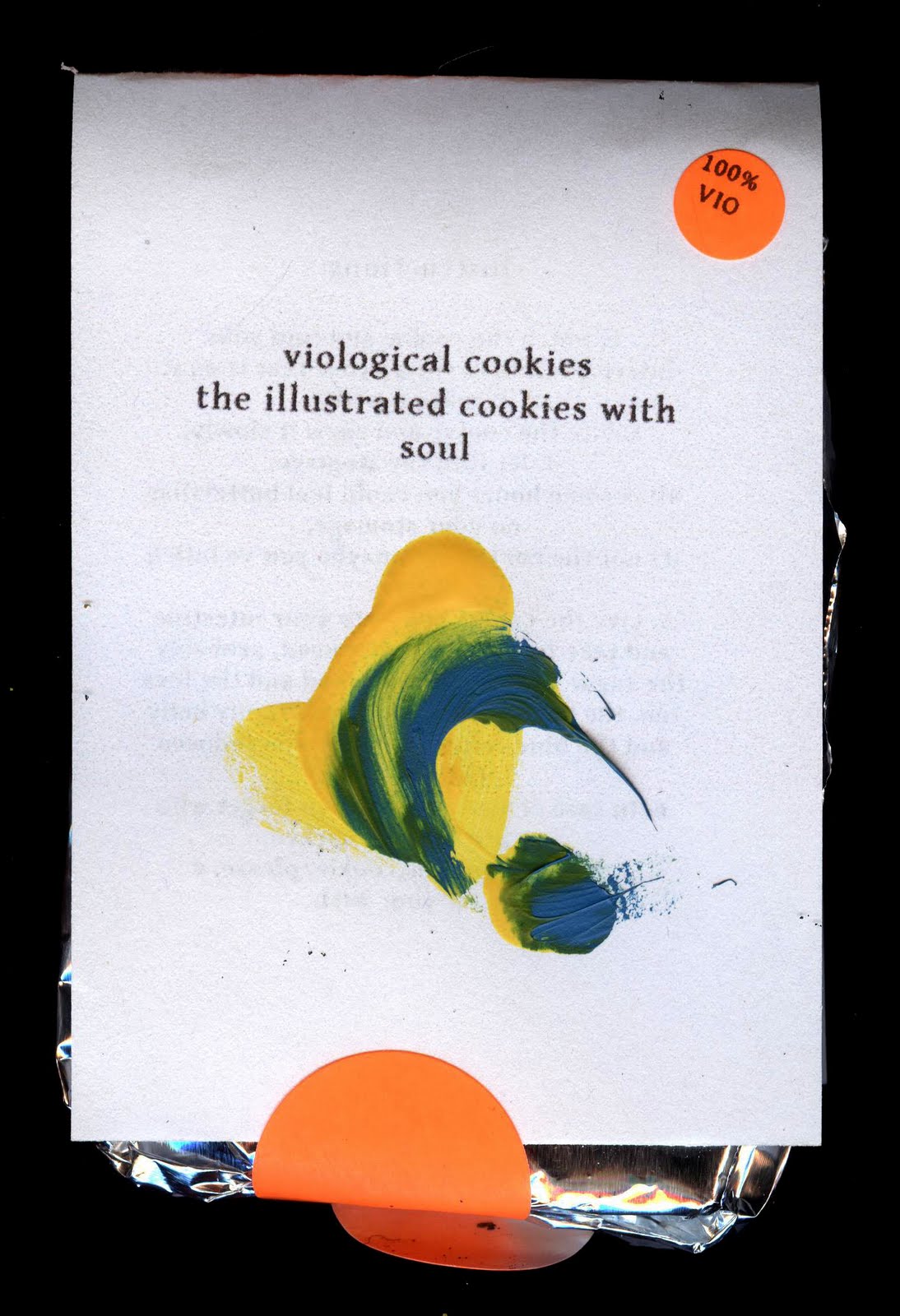
Illustration ephemeral and cookies galore. Visit the web
viological of cookies, crackers with soul.
http://viologicalcookies.blogspot.com/

Sunday, March 13, 2011

Ho Scale Roundhouse Plans

Les moyens de transport à Dijon


Good
all, how are you? How are things in Argentina (or wherever you are you reading these lines)?
In this post I will comment a little Dijon situation as regards transport. You might think it's an entry without much sense, but it is so different from Buenos Aires or another city you know, I think at the end of the entry will think it's interesting. And if not ... well, I'm sorry for having caused the loss of 5 minutes it took to read these lines.
I know I wrote a little about everything what ride a bike ... and may not be the last to do so. It is very important in my life in Dijon: I go to school every day, I shop, I go to parties or meetings that organisms, especially in cycling.
The city of Dijon is not very large. Has a center, and has what might be called the suburbs. All this is called "Grand Dijon." And then, next to the city, there are other small towns, which in my view also Dijon. I live (or lived, since at this moment that I write, I am no longer there) in the north of the city, on the edge of one of these small towns surrounding called St. Apollinaire.
In my last days I did a bike tour with a German friend throughout the city and went from the North where I live, to the south where there is a great park to go after the north-west, where this lake Kir. All this in one day. To see that the distances are not the same as in other countries.


Dijon is so small that there are only buses. The bus network, we should not belittle however, is very complete and very good. The buses are great and very good quality. They are a bit slow, as it somehow. Fulfill their schedule, not deny it, but they are so slow sometimes. Not compared with the groups in Argentina that go so fast sometimes forget that even when people stop at bus stops.
One can pay for credits cards and can travel as long as you want. Then one gets everywhere (buses are usually three or more doors) and go. But you must buy a ticket an hour, which costs one euro. Is one hour from the moment you validate it. That time begins to run. And you can get off and ride whenever you want on the lines you want, for an hour.
drivers get on very often to see if everyone has a ticket a day. Otherwise the fine is 50 euros. The people do not want much to the drivers. In a letter read stop "I prefer to be controlling unemployment." That is why one has much freedom, everywhere to ride whenever and others, but better to have a day ticket. Once I get on without paying. But really if I grabbed was 50 euros. Have to travel 50 times without one to grab it worthwhile. So I never did, always bought my ticket. Either way, traveling by bus was not something I did many times.
Finally, a detail that caught my attention, all buses have cameras that film people. Thus once at a bus stop got someone from the company and went down to a drunkard who had fallen asleep in a chair who knows a few hours had been. And again we came up with 40 students because we went to a party, two stops later 3 men boarded the company faced and serious ill and took out the bottles were students.
Anyway, I hope that this brief glimpse has taught them something about how you live around here. To me it's all very interesting.
I send a big salute, thank you for reading the blog and keep in touch.
À plus,
Guille

How Much For Brooklyn Fade

Sports: ping pong, tennis and badminton


Hello, How are you?
This entry may be brief or not, I explain my sport and the university in general not to seem so self-centered (MIS activities ...).
In college there is a sports center called SUAPS, do not ask me what the acronym means because I do not know. Although now that I think could find out a little. I tried
Badminton classes but although there is plenty of room to play, as it is a sport unisex, there are many people and almost no place. Also falls into a very bad day at a worse time: Friday 19:00 to 20:30. Then I can do almost anything because I am very tired. They said that with Badminton Ice Hockey are two sports that consume more calories. not really interest me too, I never did sports simply because they burn calories, but because I want to or because I have fun. It was only a passing reference, in order ...
Of course I found tennis classes, which are very good. They are very early on Saturday and over. Anyway, the tennis I make the effort and get up early. Two sessions an hour and a half and sometimes we can be playing a little more, until now I'm playing an average of 3 and 3 ½ hours. More bike to come and go, to be about 8 kilometers , I'm doing a lot of sports.
There are "classes" of ping pong. I say "class" because it is simply going to play and nothing else. The teacher is there never tells us anything. But hey, there are two intense hours of sport. Also the place where play is next to where I play tennis, because I also go and back by bicycle.
And finally I will add the topic of cycling, although it sounds repetitive. I bike everywhere. Dijon is a very small town. To go to college and I usually come by bicycle, which will be about 20 minutes. The bus costs 1 euro here, which may seem expensive, but it is not. In other cities the price is much higher.
A Badmignton went only once and was not more. Too tired to play sports all day, and you have to study and work ... and of course leave a little on Friday night. And ping pong and tennis was pretty regular until the end of the year, where unfortunately the exams, presentations and other responsibilities left me already pretty tired. In addition to the snow and others make the journey in bike was very difficult. Not impossible, but it left me exhausted itself, and in the cold, I never felt like making another sport to take a coffee.
Anyway, that's all for this post, I thank you as always to read the blog (but do not write very often) and we're seeing,
Greetings! Guille
ps: if you wonder why the photo. So far I've always put pictures of France. Well ... it is France ... Cécile de France: P. ... French actress and I saw three films ... very nice addition:), voilà pourquoi ....